
Why hotel kitchens in Zanzibar lose quality in high season, and how to stop it
In hotel kitchens here the story is often the same. In October the kitchen is calm, the food is good, the team is happy. In January the hotel is full, the guests pay the most, and the plates that leave the pass are not the same plates anymore.
That doesn’t surprise me, and it isn’t the team’s fault. It is a system problem, and it is very predictable. If you know where it breaks, you can prepare for it before December.
What actually goes wrong in December to February
Working in Tanzania and with kitchens in Zanzibar, these are the five things I see break first:
- The recipes live in the head of one or two people. When the sous chef is off or the covers double, the dish changes.
- Portions grow. Under pressure cooks put more, not less. Food cost goes up exactly in the months that should pay the whole year.
- The fish market decides the menu, not the chef. Kingfish, octopus or lobster are not there one day, and nobody planned the plan B.
- New seasonal staff learn by watching. Nobody has time to train them properly, so they copy the fastest way, not the right way.
- Mise en place is not sized for full house. The kitchen works for 40 covers and suddenly has 90. Everything after 8pm becomes improvisation.
Write the recipe down, with a photo
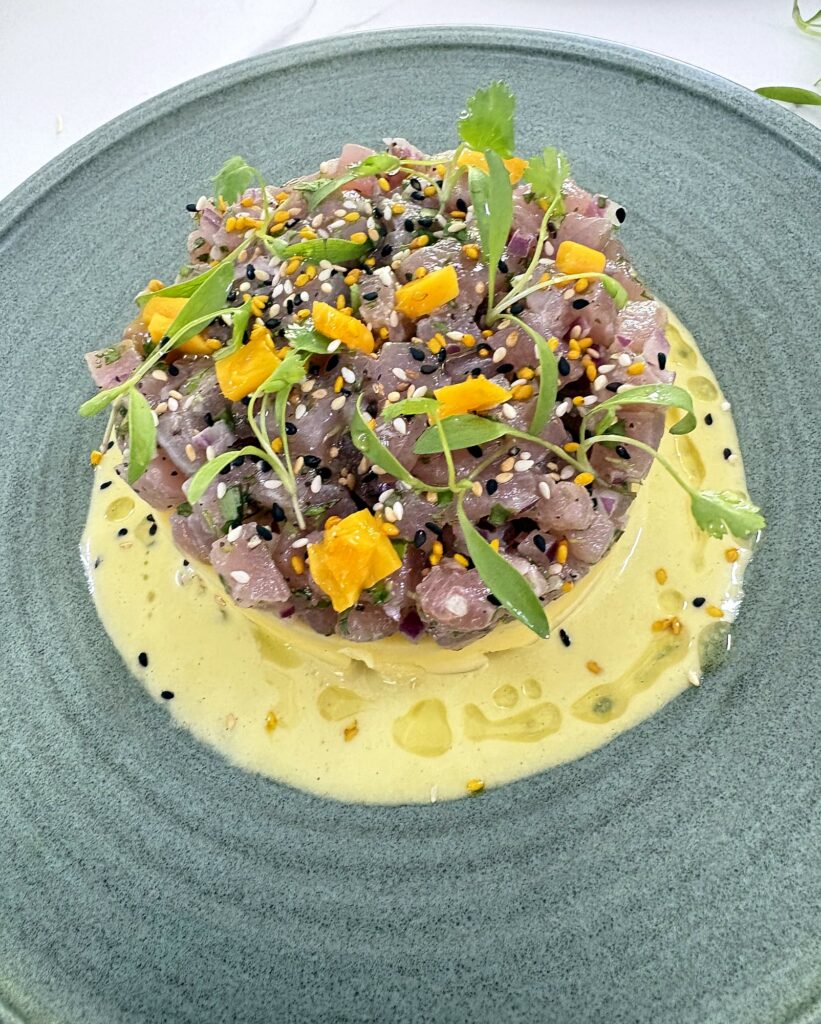
A recipe card with grams, the method, the plating photo and the cost. One per dish. Printed in the kitchen, not in an email.
It sounds basic. Most kitchens I visit in Zanzibar don’t have it. When the recipe is written, any cook can make the dish the same way, and the chef can check it in five seconds looking at the photo.
Cost the menu before the season, not after
In Zanzibar prices move with the season and with the shilling. Imported butter, cheese and wine can change a lot from one order to the next.
Before December, cost every dish again with today’s prices. If a plate doesn’t make margin, change it now: the portion, the garnish or the product. In January there is no time to think about this.
Build the menu around local product, and always have a plan B
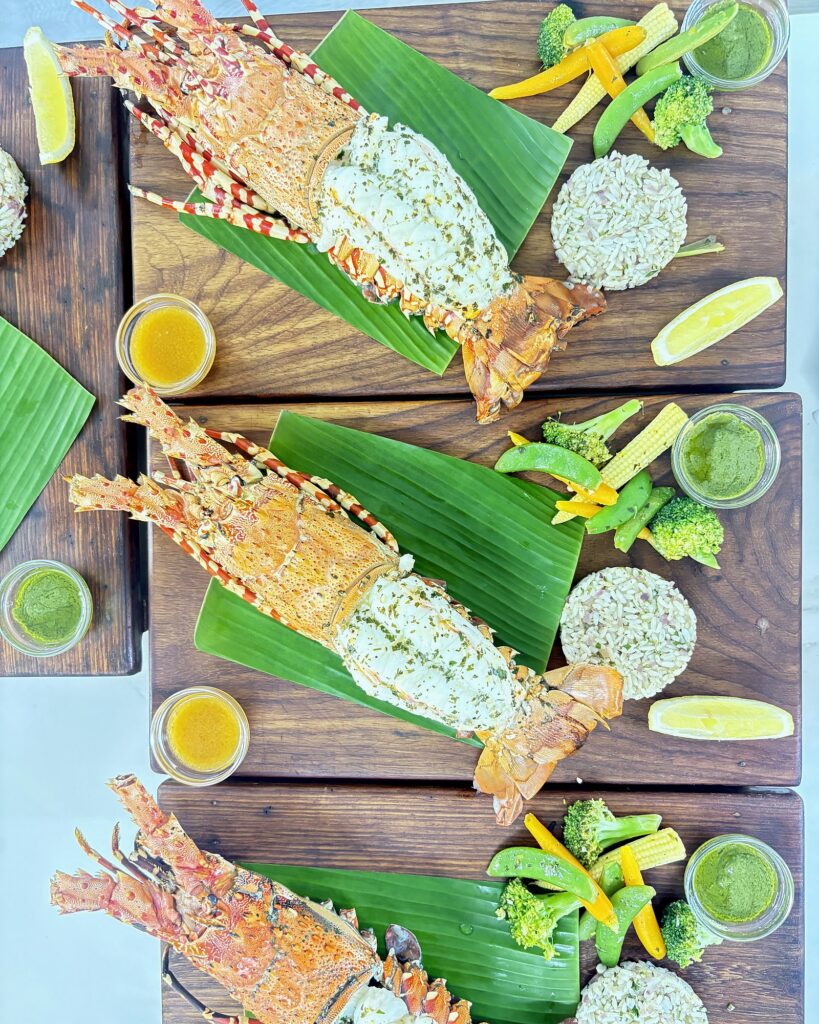
The best menus I’ve done in Tanzania use what the island gives: fish from the day, octopus, lobster, coconut, mango, cassava, spices from Pemba and Zanzibar. It is fresher, it is cheaper and the guest came here for this.
But local product means supply is not guaranteed. For every main dish, decide the plan B in advance. If there is no kingfish, it is tuna, with the same garnish and the same price. The waiter needs to know it before service, not when the guest orders.
Train in October, not in January
October and November are the quiet months. This is the moment to train the team again, dish by dish, with the recipe cards. Also the new people who will join for the season.
And train the service too. The guest does not see the kitchen, the guest sees the waiter. If the waiter can’t explain the dish, half of the work in the kitchen is lost.
Size the mise en place for full house
Make a simple sheet per station: how much of each base you need for 40, for 70 and for 100 covers. Every afternoon the chef checks the bookings and the team prepares for that number.
This one sheet stops most of the chaos at 8pm. It is not more work, it is the same work done at the right moment.
Next: local seafood in Zanzibar, what to buy and always a plan B.
If your hotel or restaurant is in Zanzibar or Tanzania and you want the kitchen ready before December, I do a short on-site diagnostic: I watch real services, measure food cost and ticket times, and leave you a clear list of what to fix first.
WhatsApp me