
Local seafood in Zanzibar: what to buy, how to check it, and always a plan B
Guests come to Zanzibar and they want to eat the ocean. Octopus, lobster, tuna from this morning. And the island has it.
The problem is not the product. The problem is that the sea decides, not the chef. A menu that works in Zanzibar is a menu that is designed for this.
What the sea gives you
These are the products I build menus around. They are local, they are fresh, and they tell the guest where they are.
| Product | Swahili | How I like to use it |
|---|---|---|
| Octopus | Pweza | Grilled, in curry with coconut, cold in salads |
| Squid | Ngisi | Quick on the plancha, fried, stuffed |
| Yellowfin tuna | Jodari | Raw, tartare, seared, cured |
| Kingfish | Nguru | Grilled in steaks, ceviche, curry |
| Grouper and red snapper | Chewa | Whole fish on the grill, baked in banana leaf |
| Prawns and spiny lobster | Kamba | Grilled over charcoal, with butter and lime |
| Crab | Kaa | Salad in the shell, soups, bisque |
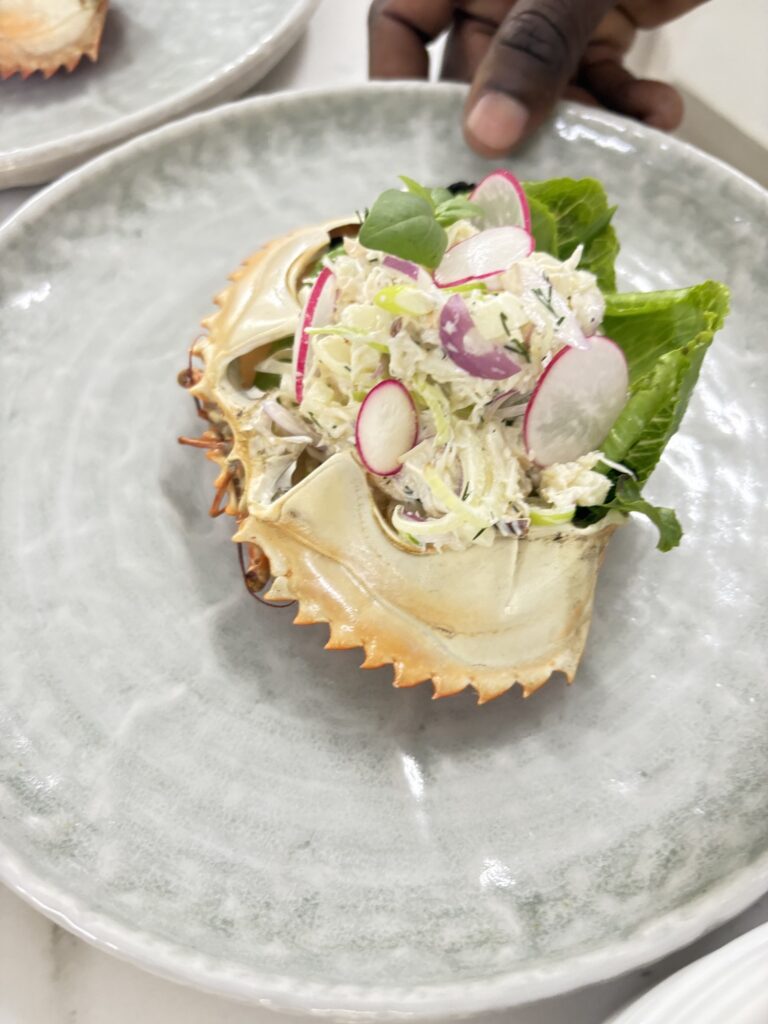
The season changes everything
In Zanzibar the year moves with the two monsoon winds. When the wind is strong from the south, more or less June to September, the sea is rough, the small boats go out less and the supply becomes irregular. When the sea is calm, supply is better and prices come down.
So the menu can not be the same all year. I plan the menu with the season: in the rough months, more dishes that work with frozen prawns, octopus or cured fish, less dependence on one fresh species.
Also, octopus and lobster have size limits and in some areas temporary closures to protect the stock. Check the rules where you buy, and never put a product on the menu that can disappear by law for three months.
How to check the fish in two minutes
If you buy at the market or from local fishermen, train one person in the team to check every delivery. Always the same things:
- Eyes clear and bright, not grey or sunken.
- Gills red, not brown.
- The flesh comes back when you press it with the finger.
- It smells of sea, not of fish.
- It arrives on ice. If it arrives warm, it goes back. No exceptions.
Buy whole fish when you can. It is cheaper, you can check it better, and the bones and heads make your stocks and sauces.
Cost it by yield, not by price per kilo
This is the mistake I see most. The kitchen sees kingfish cheaper per kilo than tuna and thinks it is cheaper. But the price that matters is the price of the clean portion on the plate.
Do the test one time for each fish: weigh it whole, clean it, weigh the portions. A whole grouper can lose more than half of its weight. With this number every recipe card has the real cost, and the menu price makes sense.
Always a plan B, decided before service
Every seafood dish on the menu needs a twin. Same garnish, same sauce, same price, different fish. For example:
- No kingfish today: tuna or barracuda.
- No octopus: squid.
- No lobster: big prawns, with the same butter and the same plating.
The chef decides the plan B in the morning, when the delivery arrives. The waiters know it in the briefing, before the first guest sits down. The guest never hears “sorry, we don’t have it”.
Respect the product, keep it simple
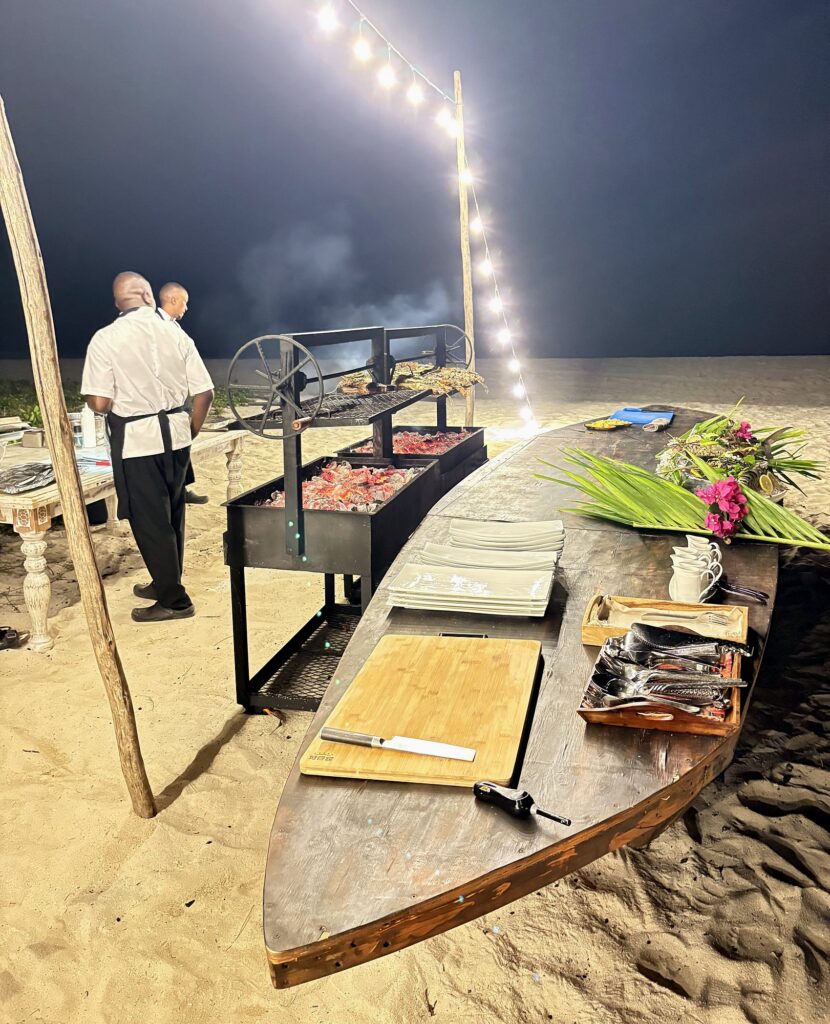
When the fish is this good you don’t need to do much. Charcoal, lime, good oil, a sauce with the spices of the island. The work is not on the plate, the work is in the buying, the checking and the planning.
This is how I build menus in Tanzania: local product first, costed recipes, and a kitchen that knows what to do when the sea says no.
More: why hotel kitchens in Zanzibar lose quality in high season.
If your hotel or restaurant is in Zanzibar or Tanzania and you want a menu built around local seafood that holds all year, write me.
WhatsApp me